Brush Hogging
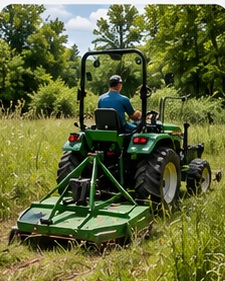
Brush hogging is rough-cut mowing using a tractor and brush hog attachment to cut tall grass, weeds, brush, and light overgrowth. It is commonly used for fields, lots, fence lines, rural property, hunting land, and areas that are too rough for regular lawn mowing.
Demolition Cleanup
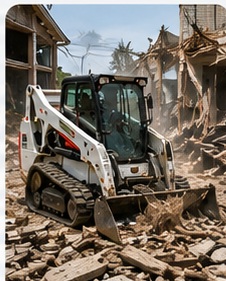
Demolition cleanup means removing or cleaning up debris after a small demolition, tear-out, or property cleanup project. This may include hauling away broken concrete, dirt, brush, old materials, construction debris, or other cleanup items depending on the provider’s equipment and services.
Dirt Dabbler
A dirt dabbler is a part-time equipment owner or operator who takes on smaller dirt-moving, grading, brush hogging, driveway, trenching, cleanup, or property-improvement jobs. A dirt dabbler may not operate as a full-time contractor, but has useful equipment, practical experience, and a willingness to help local homeowners or property owners with smaller jobs, often for extra income.
Drainage Work
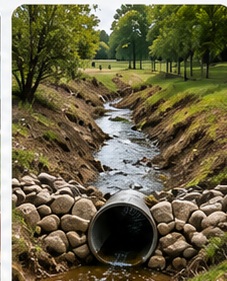
Drainage work means improving how water moves across or away from a property. This may include shaping the ground, cutting swales, digging drainage paths, installing or preparing areas for culverts, redirecting runoff, or helping reduce standing water and erosion.
Driveway Repair or Prep
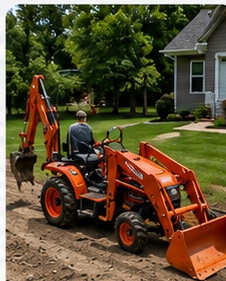
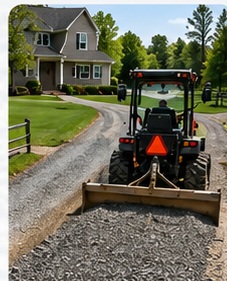
Driveway repair or prep includes dirt work, grading, gravel spreading, smoothing, reshaping, or preparing an area for a new or improved driveway. This may involve fixing ruts, filling low spots, spreading gravel, improving drainage, or preparing the driveway base.
Dump Truck Hauling
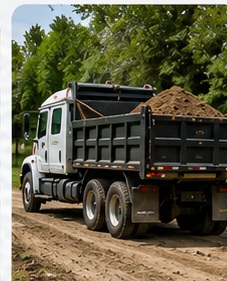
Dump truck hauling means transporting materials such as dirt, gravel, rock, sand, mulch, debris, or other job-related materials. This may include hauling material to a property, removing unwanted material, or helping supply dirt-moving and driveway projects.
Excavation
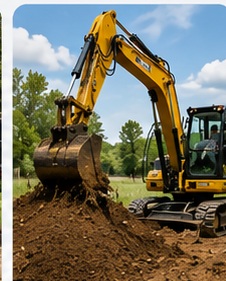
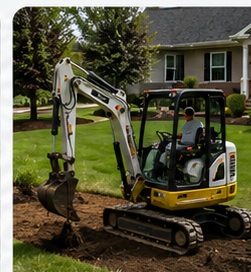
Excavation means digging, removing, or reshaping soil to prepare an area for a project. This may include digging for drainage, footings, utility trenches, small building pads, driveway entrances, culverts, ponds, or general property improvements.
Fill Dirt / Topsoil Spreading
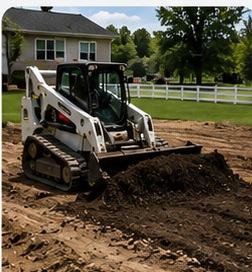
Fill dirt or topsoil spreading means moving and spreading dirt, fill material, or topsoil to build up low areas, improve yard grade, prepare for seeding, level uneven spots, or reshape part of a property. Fill dirt is often used for building up areas, while topsoil is typically used for lawn or landscaping preparation.
Grading / Leveling
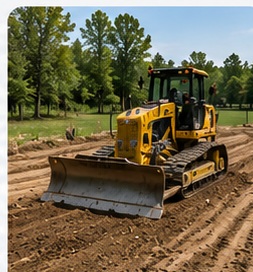
Grading and leveling means shaping the ground to create a smoother, more usable surface or to improve water flow. This can include leveling uneven yards, preparing areas for gravel or topsoil, correcting low spots, smoothing rough ground, or helping direct water away from structures.
Land Clearing
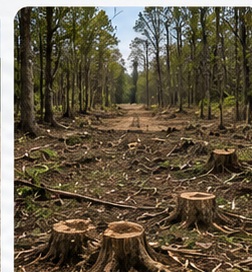
Land clearing means removing brush, small trees, debris, overgrowth, or unwanted material to make land more usable. Depending on the equipment and job size, this may include clearing lots, trails, fence lines, building areas, or overgrown property sections.
Other Dirt Work
Other dirt work covers dirt-moving or equipment-related jobs that do not fit neatly into the listed categories. This may include custom property work, equipment help, small residential projects, cleanup, reshaping land, moving material, or other tasks that require dirt-moving equipment.
Small Jobs
Small jobs are smaller dirt-moving or property-improvement tasks that may not require a large contractor or full-size equipment. These can include minor grading, small trenching, moving small amounts of dirt, spreading gravel, fixing low spots, cleaning up an area, or helping with residential property projects.
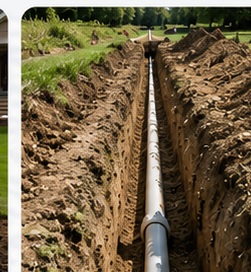
Trenching
Trenching means digging a narrow channel in the ground, usually for drainage, water lines, electrical conduit, irrigation, utilities, or similar needs. Before trenching begins, underground utilities and hidden property assets should be identified and marked when applicable.
Important Note
USDirtMovers.com is a listing and connection platform. Service availability, pricing, equipment, licensing, insurance, and job suitability are determined between the customer and the service provider. Customers and providers should discuss job details, property access, underground utilities, hidden assets, safety concerns, and expectations before work begins.